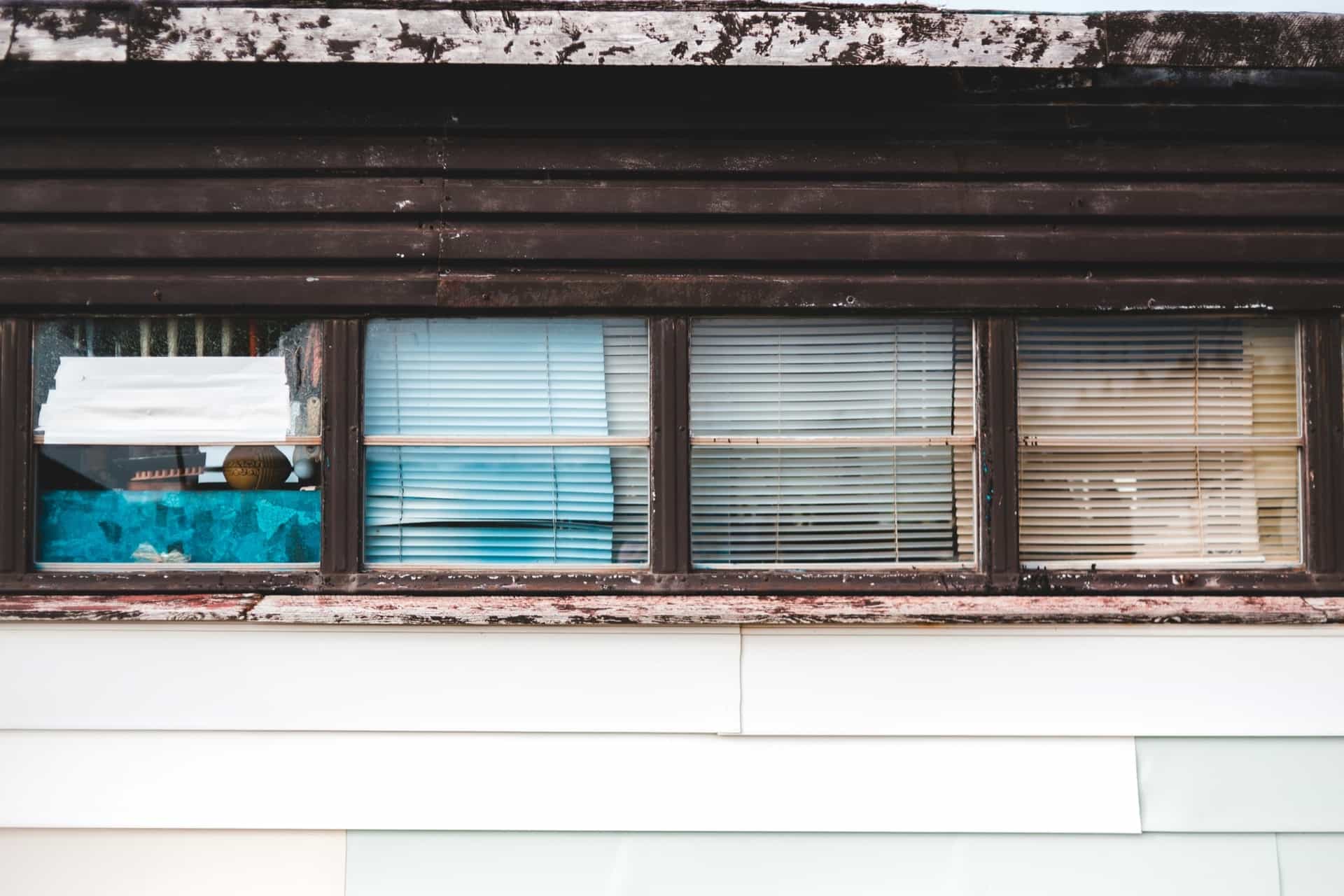
Windows rarely fail all at once — they decline gradually, and most NJ homeowners live with drafts, condensation, and creeping energy bills for years before connecting any of it to their windows. This guide walks through the ten signs we look for, what each one actually means, and which point to a simple repair versus a full replacement. New Jersey's freeze-thaw winters and humid summers are hard on windows, and the wear shows up in predictable ways.
If you can check off three or more of these, your windows are likely costing you money and comfort every month. One or two may be a repair. Here's how to tell the difference.
Exterior and operational signs
Drafts you can feel. Hold your hand near the window edges on a windy day — if you feel air movement, the weatherstripping or the seal has failed. Drafts are the most common and most expensive-over-time window problem in NJ.
Windows painted, swollen, or rusted shut. A window that won't open isn't just an annoyance — it's an egress safety issue in any room used for sleeping, where New Jersey requires an operable emergency escape and rescue opening. Swollen wood sashes and corroded metal hardware are common on older NJ homes.
Difficulty opening, closing, or locking. Sashes that stick, won't stay up, or don't lock cleanly indicate worn balances, warped frames, or hardware at the end of its life.
Visible rot or soft wood on frames and sills. Press on the sill and frame — if the wood is soft, spongy, or crumbling, water has been getting in. Rot is the single biggest reason a project becomes full-frame rather than a simple insert.
Cracked or broken glass. Beyond the obvious, a crack breaks the seal and the insulating value of the unit, and tempered safety glass that's compromised should be replaced promptly.
The condensation tell — fog between the panes
Moisture or fog trapped between the panes of glass — that you cannot wipe away from either side — is a failed insulated glass unit (IGU) seal. The sealed gas fill that gives the window its insulating value has escaped and humid air has gotten in. It's one of the most common window problems we see in NJ, and it means the window has lost much of its energy performance.
This is different from condensation on the inside surface of the glass, which is usually a household-humidity or ventilation issue rather than a window failure. The giveaway for seal failure is that the fog is inside, between the panes, and reappears no matter how you clean it.
The good news: a failed IGU can often be fixed by replacing just the glass unit while keeping your existing frame and sash — far cheaper than replacing the whole window. We cover this in depth in our foggy-glass guide.
Comfort and energy signs
Cold drafts and cold glass in winter. If you can't sit near your windows comfortably in January, or rooms won't hold temperature, your windows are leaking heat. Single-pane and failed double-pane windows are the usual culprits.
Rising heating and cooling bills. Drafty, inefficient windows force your HVAC to work harder year-round. If your bills have crept up and your windows are original or aging, they're a likely contributor.
Hot spots and fading from solar gain. Rooms that overheat in summer sun, or furniture and floors fading from UV, indicate glass without a modern Low-E coating.
Noticeable outside noise. If traffic, neighbors, or weather come through clearly, you likely have single-pane or poorly sealed windows — modern double- or laminated-pane glass cuts noise substantially.
What New Jersey's climate does to aging windows
NJ is hard on windows in a specific way. The freeze-thaw cycle — crossing the freezing point dozens of times each winter — works at every seal and sash joint, expanding and contracting materials until seals fail and gaps open. Humid summers rot wood frames and sills from the outside in. Years of UV degrade vinyl and the IGU seals. And condensation that forms on cold single-pane glass runs down and rots the sills below.
The practical effect is that NJ windows tend to show their age earlier than the same windows would in a milder, drier climate. Original single-pane windows and first-generation double-pane units from the 1980s-90s are the ones most likely to be exhibiting several of these signs at once.
Repair or replace — what the signs are telling you
A single broken or foggy pane on an otherwise-sound window is often a glass-only repair. One stuck or unbalanced sash can be a hardware repair. Historic wood windows worth preserving can frequently be restored rather than replaced.
But when you see several signs together — widespread drafts, multiple failed seals, soft or rotted sills, single-pane glass, and rising bills — you're past the point where piecemeal repairs make sense, and full replacement is usually the better answer. You get the comfort back and lower heating bills, and you stop paying to repair windows that are failing across the board.
The honest test is a free assessment: we'll tell you which windows are repair candidates and which are past it, rather than blanket-recommending replacement.
Why old windows cost more than the replacement
Aging windows charge you rent every month — in wasted energy, in rooms you can't comfortably use, and eventually in rotted sills and trim that turn a window project into a carpentry project. There's also the safety dimension: a bedroom or basement window that won't open fails its egress purpose, which matters for your family and at resale inspection.
And windows are a visible, documented value-add at sale. Buyers and inspectors notice old, drafty, foggy windows, and they negotiate on them. Replacing failing windows before listing removes an objection and supports the price. Use our window cost calculator to put a planning number on a replacement, then weigh it against what the old windows are costing you.