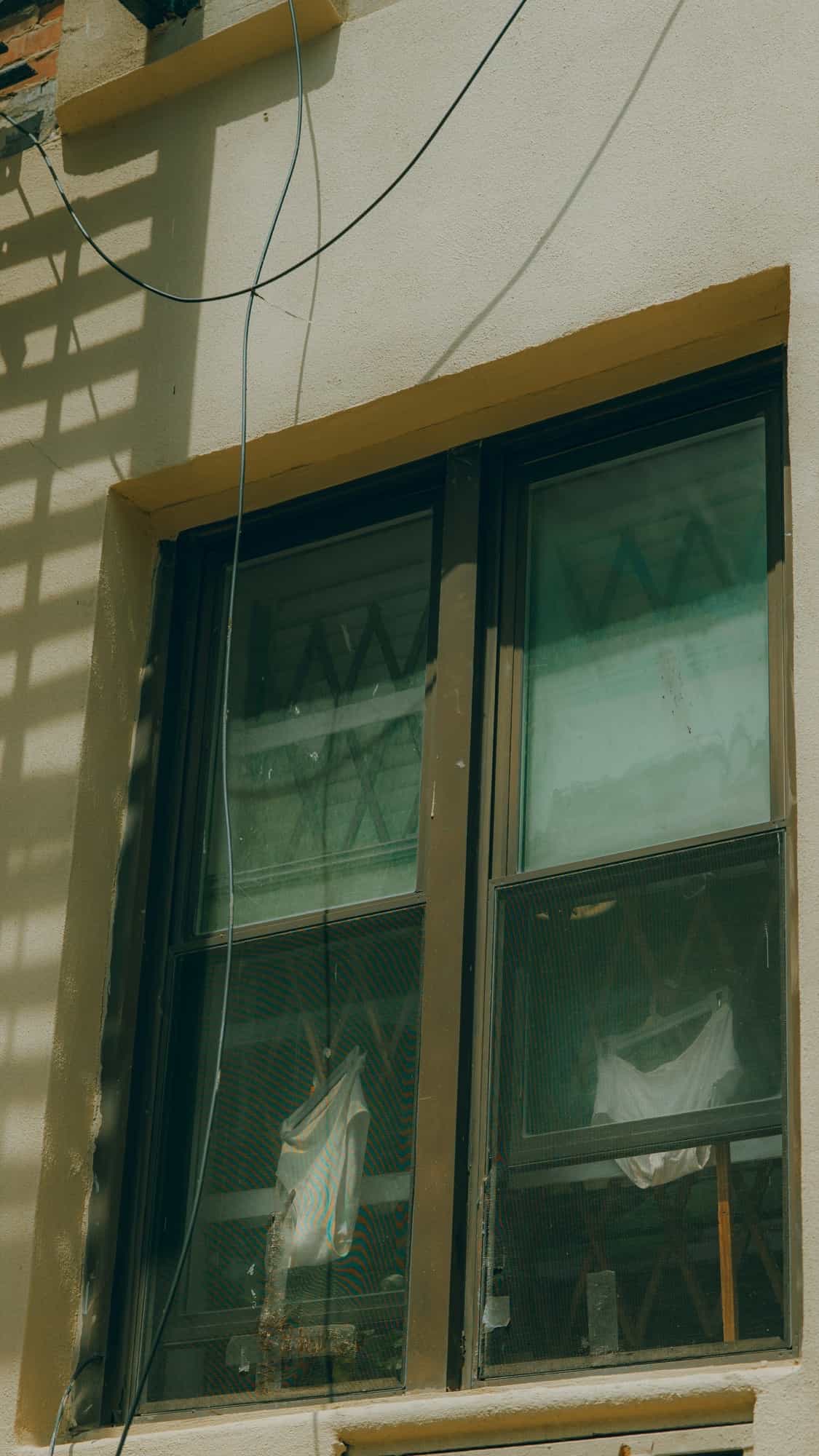
Double Pane Resealing
Fix foggy windows without replacing the entire unit.
Double Pane Resealing
Fix foggy windows without replacing the entire window. When the insulated-glass seal fails and fog forms between the panes, we replace just the sealed glass unit in your existing frame — restoring clarity and full insulation value at a fraction of replacement-window cost.
Almost every call we get about a 'foggy window' is actually an IGU seal failure. The window itself isn't broken — the insulated glass unit inside the sash has lost its perimeter seal, the argon (or air) has migrated out, and humid outside air has migrated in. When that air hits a cold pane it condenses, and you get the cloudy, milky look between the panes that no amount of cleaning will fix. The fix is replacing the IGU, not the entire window — and on the vast majority of NJ housing stock from the 1990s and 2000s, the original windows are perfectly fine structurally; only the glass needs to come out.
We call it 'resealing' colloquially, but the IGU itself isn't actually resealed — that's a factory-only process. What we do is fabricate a new IGU to the exact spec of the failed one and swap it into the existing sash. It costs well under a full window replacement and takes a single 30-90 minute install once the new unit is fabricated. The qualifying conditions matter though — the frame has to be sound, the glazing pocket has to be intact, and the sash has to be of a re-glazable construction. We diagnose all three before we quote.
Diagnosing seal failure vs other moisture problems
True IGU seal failure shows up as moisture trapped between the two panes — you can't wipe it off from inside or outside. The fog appears in cold weather first (when the interior pane is coldest and the trapped humidity condenses), often clears in warm dry weather, and progressively gets worse over years. Eventually you see permanent mineral deposits or even visible silica desiccant residue from the spacer. That's a hard diagnosis — it's an IGU replacement.
Condensation on the interior surface of the glass (where you can wipe it off) is a different problem. That's high indoor humidity, low interior surface temperature, or both. The fix is dehumidification, better window treatments, or in extreme cases upgrading to a warmer IGU spec — not replacing the existing IGU. We talk customers through this distinction on the phone before scheduling a visit, because we don't want to charge for a measurement on a problem that's not ours to fix.
Condensation between a storm window and a primary window is a third scenario. Common on older NJ housing in Princeton, Madison, and Cape May with original wood sashes and exterior storm panels. The fix there is improving the primary window's seal so warm interior air stops migrating into the storm cavity — not replacing the storm or the primary glass.
Frame leaks that show up as water on the sill rather than fog between the panes are another category entirely. That's perimeter sealant failure, flashing failure, or in newer windows a defective weep system. We diagnose those separately and fix the frame and flashing rather than touching the glass.
When to reseal (replace the IGU) vs replace the entire window
Reseal makes sense when: the sash frame is sound (no rot, no warp, no separated joints), the glazing system is field-serviceable (most vinyl, aluminum, and clad-wood windows are; some older fixed-glass windows aren't), the hardware still works on operable units, and the energy performance of a new IGU is acceptable. For a 15-year-old Pella casement in good shape with one foggy IGU, reseal is a no-brainer — costs the customer far less than a full replacement.
Full replacement makes sense when: the sash is rotted (common on wood sash 30+ years old), the seal failure pattern indicates frame movement (multiple IGUs failing at the same corner suggest a structural problem), the hardware is failed and parts are no longer available, the existing window's U-factor and SHGC are so far below current code that the energy savings of a new full unit justify the cost, or the homeowner is doing a whole-house aesthetic update.
Honest assessment matters here. We've talked customers out of full replacement when the existing windows had another 15-20 years of service life left and a reseal was the smart move. We've also told customers that resealing a 1985 wood window with rotted muntins is throwing money at a problem — full replacement was the only honest answer.
Lead times and what drives them
Standard rectangular IGUs up to 48" x 60" with dual-pane Low-E argon make-up: 7-10 business days from our manufacturer partners (Cardinal IG, PPG, Vitro). These are the bread and butter and the price is consistent.
Custom shapes (arched tops, half-rounds, octagons), oversized IGUs (over 60" x 80"), and triple-pane assemblies: 14-21 business days. The shape templates have to be made and verified, and triple-pane spacer fabrication takes longer.
Specialty IGUs — Starphire low-iron, laminated interlayers for noise or security, custom internal grilles to match historic patterns, dichroic or decorative glass: 21-30 business days minimum, sometimes 6-8 weeks for true custom decorative work.
Emergency situations get prioritized. A retail tenant with a fogged storefront IGU we can sometimes turn around in 3-5 days through expedited fabrication, for a surcharge. We are upfront about the cost — most customers wait the standard lead time once they hear the difference.
What actually happens during a reseal install
Step one is removing the failed IGU. On vinyl windows that usually means removing the interior glazing bead (snap-in vinyl strip or stop), supporting the IGU as it releases, and lifting it out. On aluminum windows the exterior gaskets pull out and the IGU rolls out the front. On wood windows with putty glazing it's chisel work — we use a glazing tool to score the putty and lift the glass with vacuum cups.
Step two is cleaning the glazing pocket. The old butyl glazing tape or sealant has to come out completely so the new IGU seats properly. We use a plastic scraper (not metal — metal scores the frame and creates a leak path) and acetone or naphtha to remove residue.
Step three is setting blocks. Per IGMA TM-3000, setting blocks go at the quarter points of the sill (not the corners) at 90 durometer EPDM. This is non-negotiable — a glazier who sets the IGU directly on the frame is creating a future failure point.
Step four is glazing. New butyl glazing tape on both sides, snap the bead back in, tool any exposed sealant smooth. On wood sashes we use linseed-oil putty for the exterior face if the original was putty-glazed — modern silicone reads as wrong on a historic window.
Step five is the warranty paperwork. We label the IGU with installation date in a corner, hand over the manufacturer's 20-year warranty card, and document the install with photos. Future failures (rare but possible) are traceable to our install and the manufacturer's batch.
Our Process
- 1Phone intake and triageWe ask: when did it start, where is the fog (between the panes or on a surface), what's the window age, and what's the brand. This rules out non-IGU problems before we drive out.
- 2Site measurementSame-day for residential in Bergen County, and elsewhere depending on the job and how booked we are that day. We measure the IGU at three points (top, middle, bottom + height left/right), record the glazing pocket depth, and identify the existing make-up by measuring spacer width with a glazing gauge.
- 3Spec and quoteWithin 24 hours: written quote listing the exact replacement make-up, the manufacturer source, lead time, and total installed price. We default to upgrading the energy spec — most failed IGUs are 15-20 years old, and the coatings available now outperform what went into them then.
- 4Fabrication7-10 days for standard, 14-21 for custom shapes, 21-30 for specialty. We track production weekly and notify you when the unit ships from the manufacturer.
- 5Install30-90 minutes per IGU on most residential. We schedule installs in batches when multiple windows are being done on the same house — most efficient use of crew time.
- 6Warranty registration and cleanupAll packaging and old glass leaves with us. We register the manufacturer warranty in your name and hand over a printed record of the install.
Materials We Use
The Precision Difference
About Double Pane Resealing in NJ
Why are my windows foggy and can it be fixed without replacing the whole window?+
How much does double-pane reseal cost in NJ?+
How long does a resealed IGU last?+
How long does it take to get a replacement IGU?+
Can you reseal an IGU in a window that's no longer made?+
Should I upgrade the glass spec when I reseal?+
What if my window has internal grilles between the panes — can you match them?+
Why does my window fog up only sometimes if it's a seal failure?+
Can foggy windows be fixed by drilling holes to 'defog' them?+
Does homeowners insurance cover foggy or seal-failed windows?+
Guides on this
- Window condensation in NJ winters
Which side of the glass the water is on tells you whether you have a seal failure, a humidity problem, or a working window doing its job.
- How to find a roof leak in NJ
If the water is on the sill, the wall, or the ceiling rather than sealed between the panes, the trail often starts above the window — how we trace it.
Double Pane Resealing by City
Serving All 21 New Jersey Counties
We service Atlantic County, Bergen County, Burlington County, Camden County, Cape May County, Cumberland County, Essex County, Gloucester County, Hudson County, Hunterdon County, Mercer County, Middlesex County, Monmouth County, Morris County, Ocean County, Passaic County, Salem County, Somerset County, Sussex County, Union County, Warren County. From our Garfield, NJ shop we cover the entire state, same-day in Bergen County, and elsewhere depending on the job and how booked we are that day.
Explore More
GLASS INSTALLATION
Full-service glass installation across New Jersey — residential, commercial, and architectural. Cut, tempered, laminated, and insulated glass installed to NJ Uniform Construction Code.
DetailsSTANDARD WINDOW INSTALLATION
Professional installation of double-hung, single-hung, and slider windows.
DetailsBROKEN WINDOW & DOOR GLASS REPLACEMENT
Broken window or door glass replaced — stocked sizes cut the same night, custom units fabricated.
DetailsCOMMERCIAL WINDOW LEAK REPAIR
Forensic water-intrusion diagnosis and permanent leak repair for commercial windows, storefronts, and curtain-wall systems across NJ. We find the actual source — sealant, flashing, or framing — and fix it once.
DetailsENERGY EFFICIENT REPLACEMENTS
Low-E and argon-filled windows that lower heating and cooling bills.
Details