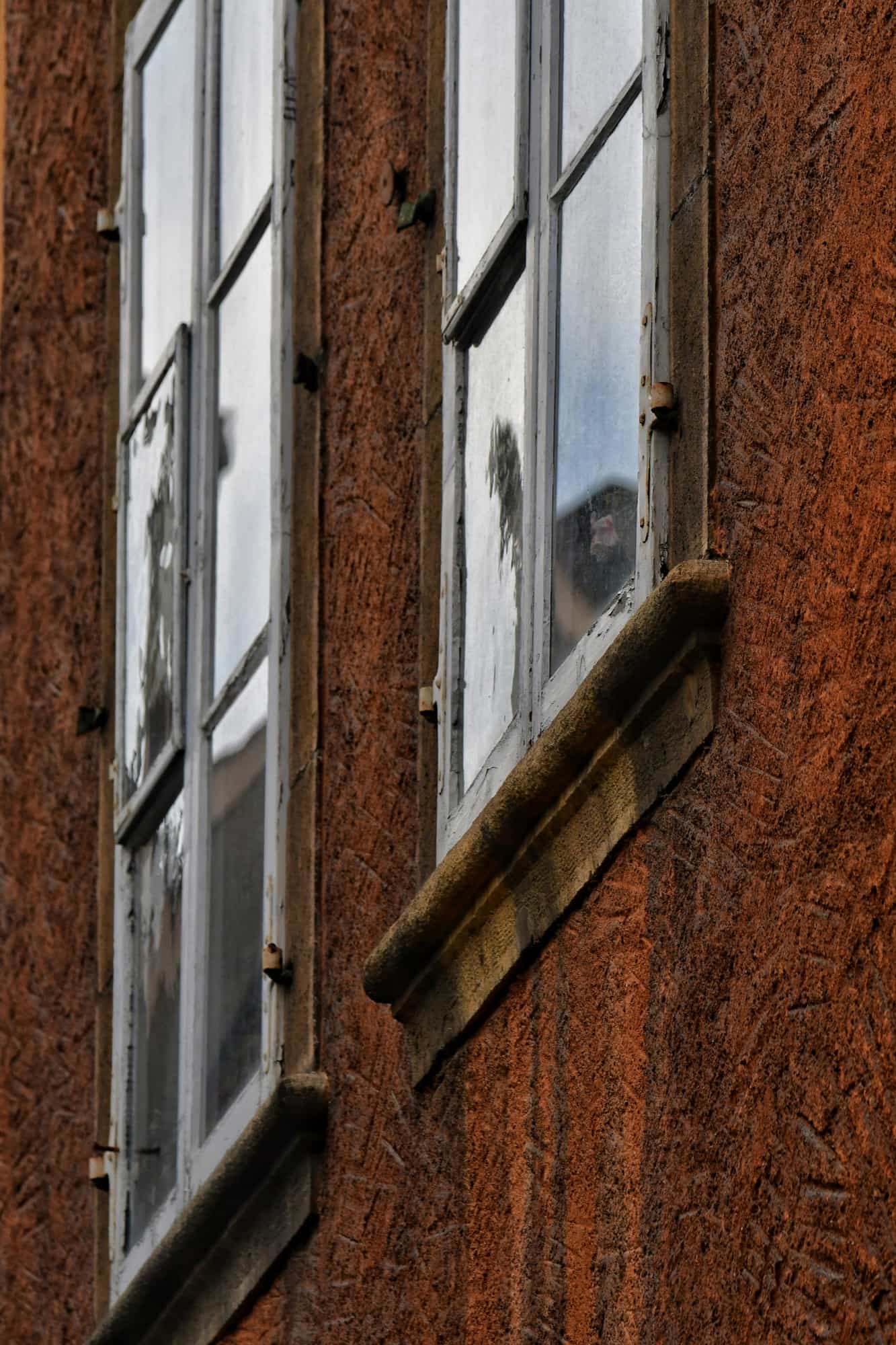
Historical Sash Restoration
Preserve the character of your historic home with sash restoration.
Historical Sash Restoration
Preserve the character of your historic home. We meticulously restore original wood sash windows, upgrading them for modern efficiency while maintaining their authentic look.
New Jersey has more pre-1900 housing stock than most states — Cape May (the largest collection of Victorian architecture in the country), Princeton (Federal, Colonial, and Gothic Revival), Madison and surrounding Morris County (Victorian and Tudor Revival), Lambertville and Frenchtown along the Delaware (Federal and Greek Revival), Cranbury, Bordentown, Hopewell, Mount Holly. Within these historic districts, replacing original wood sashes with modern vinyl or aluminum-clad units is generally not permitted under the local Historic Preservation Commission's Certificate of Appropriateness review. The path is restoration, not replacement.
Historic sash restoration is a specialty within glazing — different tools, different materials, different turnaround times. We've restored thousands of pre-1950 wood sashes across NJ historic districts. The work involves removing the existing sash, stripping accumulated paint layers, repairing decayed wood with epoxy consolidation and Dutchman patches, removing and re-glazing single-pane glass with traditional putty, painting with historically appropriate finishes, and reinstalling with sash cord, weight, and parting bead replacement. Done right, the restored sash will outlast any modern replacement window and preserves the architectural integrity of the property.
NJ historic districts and HPC review
Cape May is the most stringent — entire city designated a National Historic Landmark, with HPC review for any exterior change visible from the public way. Window changes (including changes to the muntin pattern, sash material, glazing type, or paint color) require Certificate of Appropriateness (COA) before any work begins. Cape May HPC enforces the standard rigorously.
Princeton has multiple historic districts: the Princeton University Historic District, the Western Section Historic District, and several individual landmark properties. Princeton HPC requires COA for window changes on any contributing structure within a district. The standard is preservation of original material where feasible; replacement only when restoration is not practical.
Madison Historic District covers parts of the Convent Station and Madison central commercial area, plus Borough residential streets. Madison HPC similarly requires COA for window changes on contributing structures.
Other active NJ HPCs we work with regularly: Lambertville, Frenchtown, Hoboken, Jersey City (multiple districts), Newark (parts of Forest Hill, James Street Commons), Asbury Park, Ocean Grove, Bordentown, Mount Holly, Burlington, Salem, Cranbury, Hopewell, Bernardsville (Old Mill Beach district).
COA process: we coordinate with the homeowner and the local HPC, prepare submittal documentation (existing condition photos, proposed scope, materials specifications, color samples), and attend the HPC review meeting if required. Standard turnaround from application to approval is 4-8 weeks depending on the municipality and meeting schedule.
Restoration vs replacement — the threshold
We restore when: the original sash retains structural integrity, decay is limited to specific areas that can be repaired with epoxy or Dutchman patches, the muntin pattern is intact, and the original glazing (single-pane wavy restoration glass) is largely intact or can be replicated.
We recommend replacement when: structural decay exceeds 50% of the sash material, the muntin grid is missing or so deteriorated that re-fabrication is necessary, the sash has been previously modified in ways that destroyed the original profile, or the HPC explicitly approves replacement with a historically appropriate replica (typically required only when restoration is genuinely not feasible).
When replacement is the path, the replica typically uses aluminum-clad wood with simulated divided lite (SDL) bars on both interior and exterior, with appropriate spacer bars between the bars to break up reflection. Marvin Ultimate, Andersen E-Series, and Pella Reserve all make products that pass HPC review when properly specified. Restoration-grade companies (Allied Window, Bi-Glass) make true single-pane replicas with traditional putty glazing for the most historically sensitive applications.
Restoration glass — sources and types
Original 18th and 19th century window glass was crown glass or cylinder glass — produced by hand-blowing molten glass into a bubble, then either spinning it flat (crown) or cutting and unrolling it (cylinder). The result is glass with visible distortion, slight waves, and occasional small bubbles. Modern float glass (the industry standard since 1959) is perfectly flat and lacks this character. Replacing original wavy glass with modern float glass in a historic sash is the visual equivalent of replacing a Tiffany lamp with a fluorescent fixture.
Restoration glass sources we use: Bendheim Restoration Glass (Bendheim Wall Systems, Passaic NJ) is the primary supplier — they manufacture mouth-blown restoration glass that replicates 18th and 19th century glass with appropriate waviness. Three grades: Light Restoration (subtle distortion, suits most 19th century Victorian), Medium Restoration (more pronounced wave, suits 18th century Federal and Colonial), and Full Restoration (heavy wave for the most demanding applications).
Bendheim is a New Jersey company headquartered in Passaic, which means lead times are short (typically 2-4 weeks) and we work with them constantly. Other restoration glass suppliers exist (Lamberts in Germany, S.A. Bendheim's Mouth-Blown line) but Bendheim is our default for NJ historic projects.
We hand-cut restoration glass to fit each opening because each lite of restoration glass has slightly different distortion patterns — using a cookie-cutter approach with stock sizes destroys the visual continuity that's the whole point of restoration glass. Cutting on site means the homeowner can review the glass before installation.
Wood repair and Dutchman patches
Most original sash decay is localized at the bottom rail and lower portions of the stiles — water tends to collect at the meeting rail and sill, and unprotected south- and west-facing elevations accelerate paint failure and subsequent decay.
Epoxy consolidation (Abatron LiquidWood + WoodEpox, or West System 105/206 with thickener) is the first line of repair for soft or punky wood. The consolidant penetrates the soft wood and hardens it, restoring structural integrity without removing material. Suitable for areas where 20-40% of the wood depth is soft.
Dutchman patches are the next step for areas of total wood loss. We cut out the decayed section back to sound wood, mill a new piece of matching wood (typically Honduran mahogany or old-growth white pine sourced from period-appropriate suppliers), and glue and pin the patch in place with epoxy. Final shaping with hand planes and chisels to match the original profile. Properly executed, a Dutchman patch is invisible after paint.
Full rail replacement is the last resort for sashes with structural decay exceeding repair. We mill a new bottom rail to match the original profile exactly, including custom molding plane work to replicate ovolo, ogee, or quirk profiles common in period sashes. The new rail joins to the original stiles with traditional mortise-and-tenon or modern wood-epoxy adhesive bond.
Glazing putty and traditional finishing
Original window putty was linseed oil + whiting (calcium carbonate) — a hand-mixed paste that holds the glass in the rabbet of the sash, seals against air and water infiltration, and skins over to a hard surface in 4-8 weeks of exposure. The modern equivalent is Sarco Type-M (and Type-1 for harder cure), available from Allback Linseed Oil Paint or directly from Sarco. We use Sarco Type-M for most exterior glazing.
Putty is applied with a glazing knife at a 45-degree angle to form a clean putty line that hides the rabbet but doesn't extend beyond the muntin sightline. The application is the difference between restoration-grade work and contractor-grade work — the putty line should be straight, the angle consistent, and the surface smooth.
After putty cure (allow 2-4 weeks minimum, ideally 6-8 weeks), the sash is painted with a high-quality alkyd or linseed-based exterior paint. Modern acrylics work but are not historically authentic. Allback Linseed Oil Paint is the traditional choice and produces a finish that matches the visual character of pre-1950 painted woodwork.
Painting must extend onto the putty by 1/16 to 1/8 inch — this seals the putty-to-glass joint against water infiltration. Painting that stops short of the putty (or stops short of the glass) leaves a capillary path for water to get behind the putty and rot the sash from the rabbet outward. This is the most common mistake we see in DIY and contractor-grade restoration.
Sash cord, weights, and parting bead
Most pre-1950 double-hung sashes were operated by sash cord (a braided cotton or hemp rope) tied to cast iron weights inside the jamb pocket. The cord runs over a pulley at the top of the jamb. When the sash is balanced (weight equal to sash weight), the sash glides up and down with finger pressure.
Original cotton cord has a 50-100 year service life. By now, most original cords are broken or rotted. Replacement is part of every full sash restoration we perform. We use Samson 100% cotton sash cord (still manufactured, available in #6, #7, and #8 diameters for different sash weights) for historically appropriate restoration. Modern nylon or polypropylene cord is stronger but visible at the pulley and out of place on a restored sash.
Cast iron weights inside the jamb pocket are usually still serviceable — we re-weigh them to confirm balance (sash weight = combined weight of both weights for a single sash) and replace any that are cracked. Replacement weights are available from architectural salvage suppliers (Olde Good Things in NYC, Architectural Antiques in Philadelphia).
Parting bead (the wood strip that separates the upper and lower sash in the jamb) is usually worn or missing on heavily-used windows. We mill new parting bead to match the original profile and reinstall.
Our Process
- 1Site survey and HPC consultationWe measure every sash, document existing conditions with photos, and identify candidates for restoration versus replacement. For HPC-regulated properties we prepare and submit COA application coordinated with the homeowner.
- 2Sash removal and intakeSashes removed from the jamb, transported to our shop for restoration. We leave temporary weather-tight covering on the open jambs while sashes are out — typically 4-6 weeks per phase, longer for full house restorations.
- 3Stripping and assessmentAccumulated paint layers stripped using infrared paint stripper (low-heat, doesn't scorch wood). Wood condition assessed under raking light. Decayed areas identified for epoxy consolidation or Dutchman patches.
- 4Wood repairEpoxy consolidation on soft wood. Dutchman patches milled and installed on areas of total wood loss. Full rail replacement on sashes with structural decay exceeding repair. Final hand-planing and sanding to match original profile.
- 5Glass and glazingOriginal glass removed and assessed. Cracked or missing lites replaced with Bendheim Restoration Glass (Light, Medium, or Full grade selected to match house period). Sashes glazed with Sarco Type-M linseed putty, cured 2-4 weeks minimum before paint.
- 6Paint and finishPrimer coat applied to bare wood (Allback Linseed Primer or oil-based primer). Two finish coats of high-quality alkyd or linseed paint, color matched to existing or HPC-approved palette. Putty line painted on as part of finish coat.
- 7Reinstall and balanceRestored sashes reinstalled in jamb. Sash cord replaced (Samson 100% cotton), weights re-balanced for smooth operation. Parting bead milled and installed. Brass or bronze sash lifts (lock and ring pulls) replaced where missing or damaged.
- 8Walkthrough and care instructionsOperation demonstrated, homeowner walked through long-term care (annual paint inspection, putty replacement at 25-30 year intervals on exposed elevations, sash cord replacement at 50-year intervals). Photo documentation retained in our files.
Materials We Use
The Precision Difference
About Historical Sash Restoration in NJ
Why not just replace my historic windows with new ones?+
How long does a full sash restoration take?+
Can I get HPC approval for restoration?+
What does restoration glass actually look like?+
Is restored single-pane glass energy-efficient?+
How much does sash restoration cost?+
Are you experienced with NJ historic districts specifically?+
Historical Sash Restoration by City
Serving All 21 New Jersey Counties
We service Atlantic County, Bergen County, Burlington County, Camden County, Cape May County, Cumberland County, Essex County, Gloucester County, Hudson County, Hunterdon County, Mercer County, Middlesex County, Monmouth County, Morris County, Ocean County, Passaic County, Salem County, Somerset County, Sussex County, Union County, Warren County. From our Garfield, NJ shop we cover the entire state, same-day in Bergen County, and elsewhere depending on the job and how booked we are that day.
Explore More
GLASS INSTALLATION
Full-service glass installation across New Jersey — residential, commercial, and architectural. Cut, tempered, laminated, and insulated glass installed to NJ Uniform Construction Code.
DetailsWINDOW HARDWARE UPGRADES
New locks, cranks, handles, weatherstrip & sweeps to restore function and stop drafts.
DetailsSTANDARD WINDOW INSTALLATION
Professional installation of double-hung, single-hung, and slider windows.
Details